
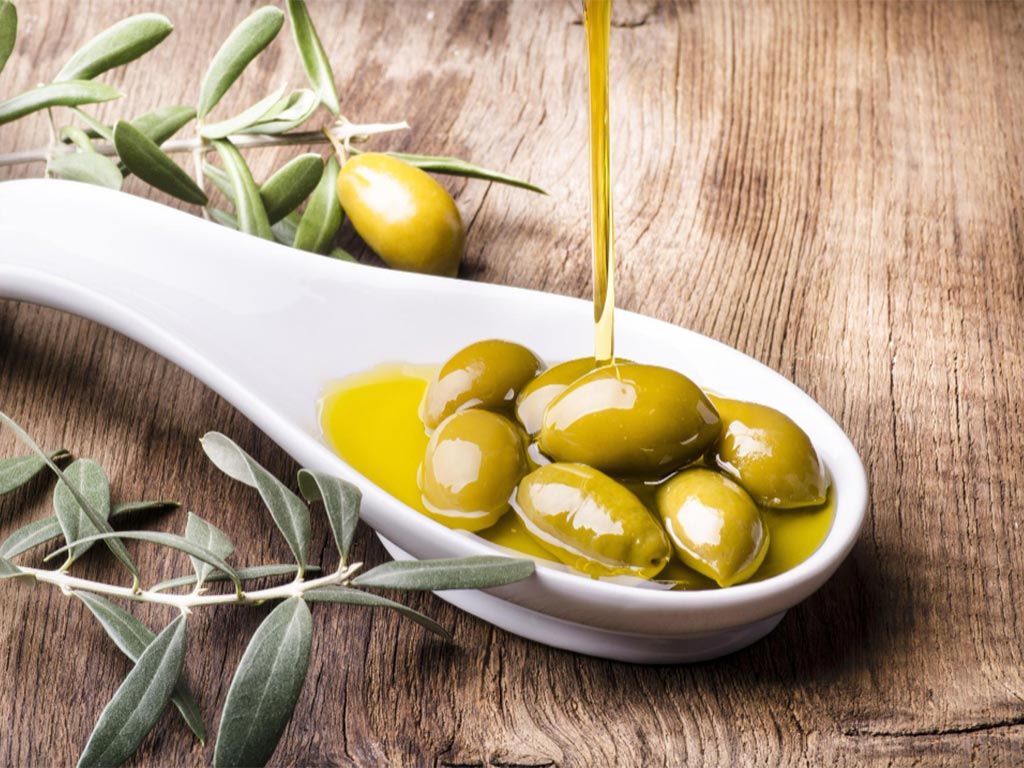
Oil is a fundamental ingredient in cooking, used in a wide range of culinary preparations. From frying to baking, from flavoring salads to seasoning pasta dishes, the different types of oil offer unique flavors and properties.
There are different types of oil that have a different chemical composition, which affects not only the taste, but also the nutritional properties and the most suitable cooking methods . Knowing the characteristics of the different types of oil can help you choose the right one for each recipe, thus improving the final result of the dishes.
In this article, we will explore the main types of oil used in cooking, analyzing their characteristics, benefits, and most common uses.
Types of Olive Oil
Olive oil is one of the most versatile and healthy ingredients used in cooking. There are several types of olive oil, each with specific characteristics that make it unique.
Extra Virgin Olive Oil

Extra virgin olive oil is considered the most valuable of the olive oils. It is obtained from the first pressing of the olives, without the use of chemicals or refining processes. This extraction method preserves the organoleptic and nutritional properties of the oil as much as possible. It has a fruity flavor, which can vary from sweet to spicy, and a very low acidity, generally less than 0.8%.
One of the most refined types of extra virgin olive oil is Chianti DOP oil, which is known for its superior quality and distinctive flavor. It is ideal for dressing salads, raw vegetables, bruschetta and cold dishes, where its flavor can be best enjoyed.
Virgin Olive Oil
Similar to extra virgin olive oil, virgin olive oil is also obtained by pressing olives without the use of chemicals. However, it has a slightly higher acidity, up to 2%. Its flavor is less intense than extra virgin oil, but it still maintains a good flavor profile.
It is suitable for cooking hot dishes, such as sauces and stews, where its flavor can complement the other ingredients without overpowering.
Olive Oil
Olive oil is a mixture of virgin oil and refined oil. The refining process reduces the acidity and flavor of the oil, making it more delicate and versatile. This type of oil is often used for cooking, frying, and baking, due to its neutral flavor and lower cost than virgin oils. It is an economical and practical choice for everyday use in the kitchen.
Sunflower Oil

Sunflower oil is another very common oil in cooking, known for its neutral flavor and high smoke point, making it ideal for frying.
Benefits and uses
- Benefits: Sunflower oil is rich in vitamin E and polyunsaturated fatty acids, which are beneficial for heart health. Vitamin E is a powerful antioxidant that helps protect cells from free radical damage.
- Uses: Thanks to its neutral flavor, it is perfect for frying, baking, and making sauces and dressings. It is also used in the preparation of mayonnaise and other emulsified sauces.
Coconut Oil
Coconut oil has become very popular in recent years, due to its unique properties and health benefits.

Properties and uses
- Properties: Coconut oil is solid at room temperature, but dissolves easily when heated. It is rich in medium-chain fatty acids, such as lauric acid, which are easily digestible and can provide quick energy. These fatty acids also have antimicrobial and antifungal properties.
- Uses: Coconut oil is used in baking, baking, and even as a substitute for butter in many vegan recipes. It is ideal for making desserts, cookies and cakes, but it can also be used to sauté vegetables and meat.
Peanut Oil

Peanut oil is a versatile oil that is often used in Asian cuisine for its slightly nutty flavor and high smoke point.
Features and Uses
- Characteristics: Peanut oil has a mild flavor and a high content of monounsaturated fats, which are beneficial for heart health. Its high smoke point makes it ideal for frying and cooking at high temperatures.
- Uses: It is ideal for frying, stir-frying, and making sauces. Its slightly nutty flavor pairs well with meat, fish, and vegetable dishes, and is often used in the preparation of Asian dishes such as wok and tempura.
Sesame Oil
Sesame oil is a key ingredient in many Asian cuisines, known for its intense flavor and nutritional properties.

Types of Sesame Oil
- Light Sesame Oil: extracted from raw sesame seeds, it has a mild flavor and is mainly used for cooking. It is ideal for stir-frying, frying and making light sauces.
- Roasted Sesame Oil: Made from roasted sesame seeds, it has a more intense flavor and is often used as a condiment. It is perfect for flavoring salads, soups and noodle dishes, adding a touch of toasty and aromatic flavor.
Choosing the right oil can make a big difference in the final result of a recipe. The different types of oil have unique characteristics, which make them suitable for specific culinary uses. We hope this article has provided you with a clear and useful overview of the main types of oil used in cooking, helping you make more informed choices for your culinary preparations.
Click here to visit our category of made in Italy products and get inspired to create new tasty recipes…


