
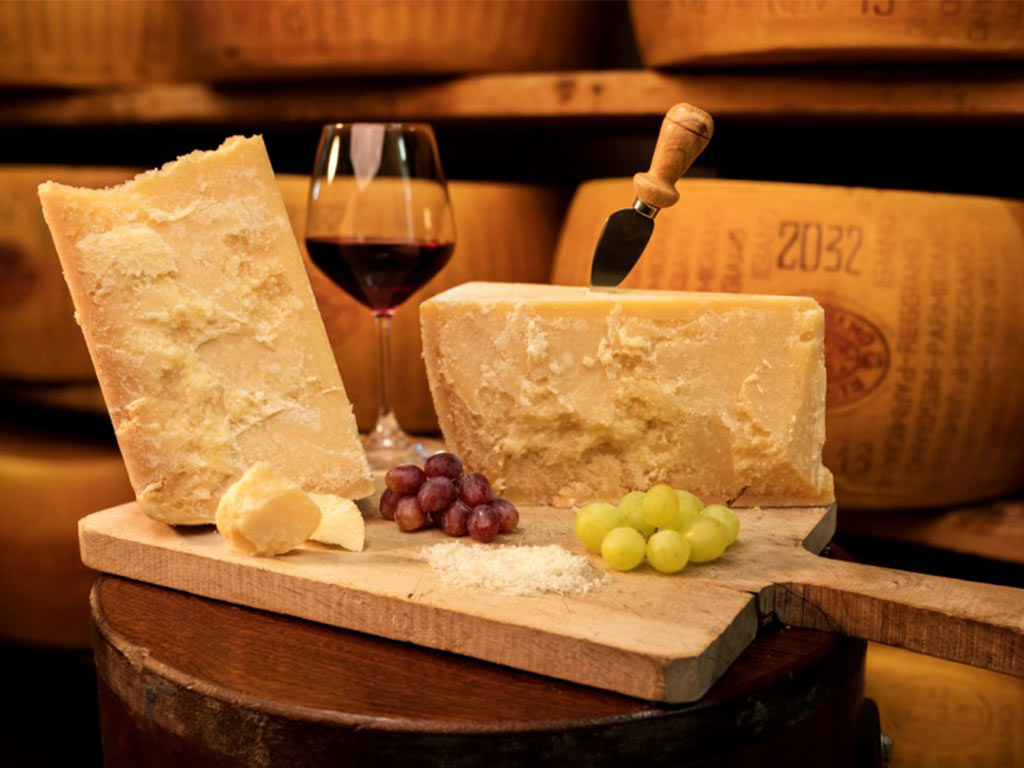
Parmigiano Reggiano is one of the most famous and appreciated cheeses in the world, known for its unique flavor and versatility in the kitchen. Originally from Italy, this hard cheese is produced exclusively in the provinces of Parma, Reggio Emilia, Modena and part of the provinces of Mantua and Bologna.
The nutritional values of Parmigiano Reggiano are extraordinary, offering a rich source of protein, calcium and essential vitamins that contribute to the overall well-being of our bodies.
Its production follows strict standards that guarantee the quality and authenticity of the product. But in addition to its unmistakable taste, Parmigiano Reggiano is also a food rich in essential nutrients that bring numerous benefits to our body. In this article, we will explore the history, nutritional values of Parmigiano Reggiano, and its health benefits.
The history of Parmigiano Reggiano
The history of Parmigiano Reggiano dates back to the Middle Ages, with the first evidence that places it in the twelfth century. Its origin is closely linked to the Benedictine and Cistercian abbeys located between Parma and Reggio Emilia.
The monks of these monasteries, thanks to their land reclamation works and cow breeding, developed the techniques that led to the creation of this unique cheese.
Parmigiano Reggiano, also known as “caseus parmensis” in documents from the thirteenth century, quickly became famous not only in its area of origin, but also in other parts of Italy.
Its production has remained almost unchanged over the centuries, keeping intact the traditions and craft techniques that guarantee the quality and authenticity of the product.
Nutritional values of Parmigiano Reggiano
Parmigiano Reggiano is a concentrate of nutrients, thanks to its production process that eliminates most of the water present in the milk, thus concentrating the nutrients. Here is an overview of the main nutritional values of Parmigiano Reggiano per 100 grams:
| Nutritious | Quantity per 100 g |
|---|---|
| Energy | 402 kcal |
| Proteins | 32.4 g |
| Fats | 29.7 g |
| Sodium | 600 mg |
| Football: | 1159 mg |
| Phosphorus | 678 mg |
| Magnesium | 43 mg |
- Protein: Parmigiano Reggiano is particularly rich in protein, with about 32.4 grams per 100 grams of product. Protein is essential for tissue growth and repair, as well as playing a crucial role in the production of enzymes and hormones.
- Fats: Fats represent a significant component of Parmigiano Reggiano, with 29.7 grams per 100 grams of cheese. Of these, 19.6 grams are saturated fatty acids. Although saturated fats should be consumed in moderation, they are still an important source of energy and help the absorption of fat-soluble vitamins.
- Minerals: Parmigiano Reggiano is an excellent source of minerals, especially calcium and phosphorus. A 100-gram serving provides 115% of the daily requirement of calcium and 96% of that of phosphorus. These minerals are crucial for bone and dental health.
- Vitamins: This cheese also contains essential vitamins such as vitamin A and vitamin E. Vitamin A is important for vision, the immune system, and reproduction, while vitamin E acts as an antioxidant, protecting cells from free radical damage.
Health benefits of Parmigiano Reggiano
In addition to its nutritional values, Parmigiano Reggiano offers numerous health benefits , thanks to its unique composition and natural production process.

Bone health
Due to its high calcium and phosphorus content, Parmigiano Reggiano is particularly beneficial for bone health. These minerals are essential for the formation and maintenance of bone structure. Consuming Parmigiano Reggiano can help prevent osteoporosis and other bone diseases.
Digestion
Parmigiano Reggiano is lactose-free, which makes it suitable even for those who are intolerant to this sugar. In addition, thanks to the presence of easily digestible proteins, it is a food that can also be consumed by those with digestive problems.
Immune system
The vitamins and minerals present in Parmigiano Reggiano, such as vitamin A and zinc, contribute to the proper functioning of the immune system. Vitamin A is essential for the production of white blood cells, while zinc is involved in the production of antibodies.
Cardiovascular health
Although Parmigiano Reggiano contains saturated fat, it is also a source of monounsaturated fatty acids, which are beneficial for cardiovascular health. These fats help reduce LDL (bad) cholesterol and increase HDL (good) cholesterol, thus helping to keep arteries clean and prevent heart disease.
Energy
With 402 kcal per 100 grams, Parmigiano Reggiano is a concentrated source of energy. This makes it an ideal food for those who need a high energy intake, such as athletes or people with an accelerated metabolism.
Antioxidants
The vitamin E present in Parmigiano Reggiano acts as an antioxidant, protecting cells from oxidative damage. Antioxidants are important for preventing premature aging and reducing the risk of chronic diseases.
Don’t miss our next articles
Parmigiano Reggiano is not only a tasty cheese, but also a valuable source of essential nutrients that bring numerous benefits to our body. Integrating Parmigiano Reggiano into our daily diet can be a delicious and healthy way to improve the quality of our diet.
We invite you to continue to follow our blog to discover more curiosities and insights on food, nutrition and well-being. Don’t miss our next interesting articles like this one on the nutritional values of Parmigiano Reggiano and other foods that can enrich your diet!


